
Honouring the Dead with Photos: Day of the Dead, Toussaint & More
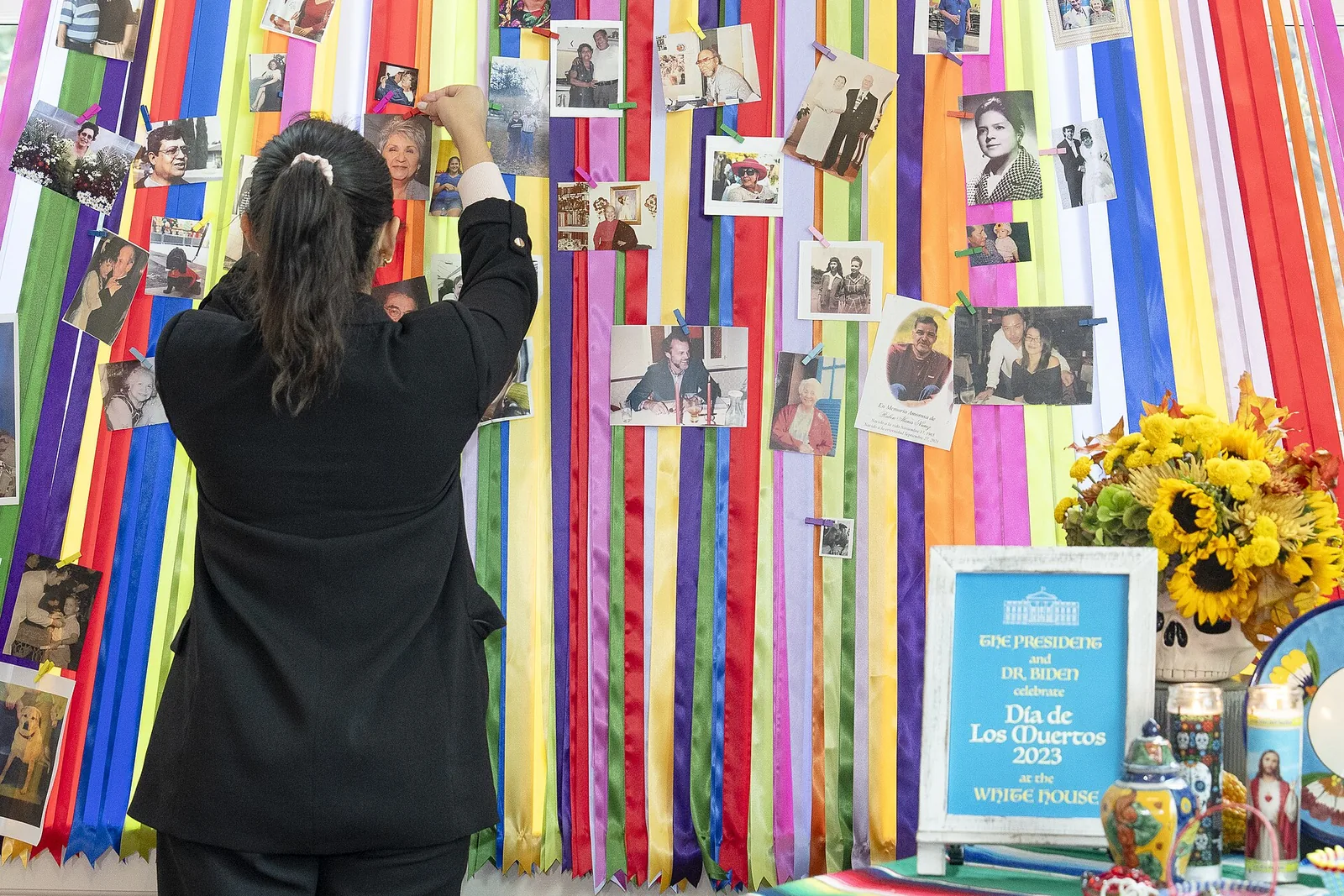
Every autumn, in the space of a few weeks, much of the world turns toward its dead. In Mexico families build altars, in France and Poland they cover graves with flowers and candles, in Germany Protestants keep a Sunday of remembrance. In almost all of these traditions, one object does quiet work: a photograph. This guide explains how the traditions differ, how to prepare your own family photos so they are ready to be shown, and the different ways to give them a place this year.
Why a photograph sits at the centre of remembrance
UNESCO, which lists Mexico's Day of the Dead on its Representative List of the Intangible Cultural Heritage of Humanity, describes the festivity as commemorating "the transitory return to Earth of deceased relatives and loved ones". It takes place from the end of October to the beginning of November, and families lay out flowers, candles and the favourite dishes of the dead around the home shrine and the tomb.
On a modern ofrenda, the photograph is what makes the shrine personal: it turns "the dead" into a particular grandmother, a particular uncle. A community ofrenda at Chapman University gathered more than thirty photographs from faculty, staff and students; one contributor said she walks past her great-grandparents' photos every day and sees it as honouring their legacy. The article presents the shared altar as a way to bring grief into public view rather than hide it.
You do not need to follow any one tradition to benefit from the idea. A face you can see gives you something to talk about, and that is what most families are really after: a reason to tell the stories again.
One season, many traditions
The dates and gestures differ from country to country. Here are the ones our readers are most likely to meet, each drawn from the sources linked below.
| Tradition | When | What families do |
|---|---|---|
| Día de los Muertos (Mexico) | End of October to early November | Home shrine with flowers, candles, favourite dishes; photographs of the dead on the ofrenda |
| Toussaint and Fête des morts (France) | 1 and 2 November | Visit and decorate graves, chrysanthemums above all |
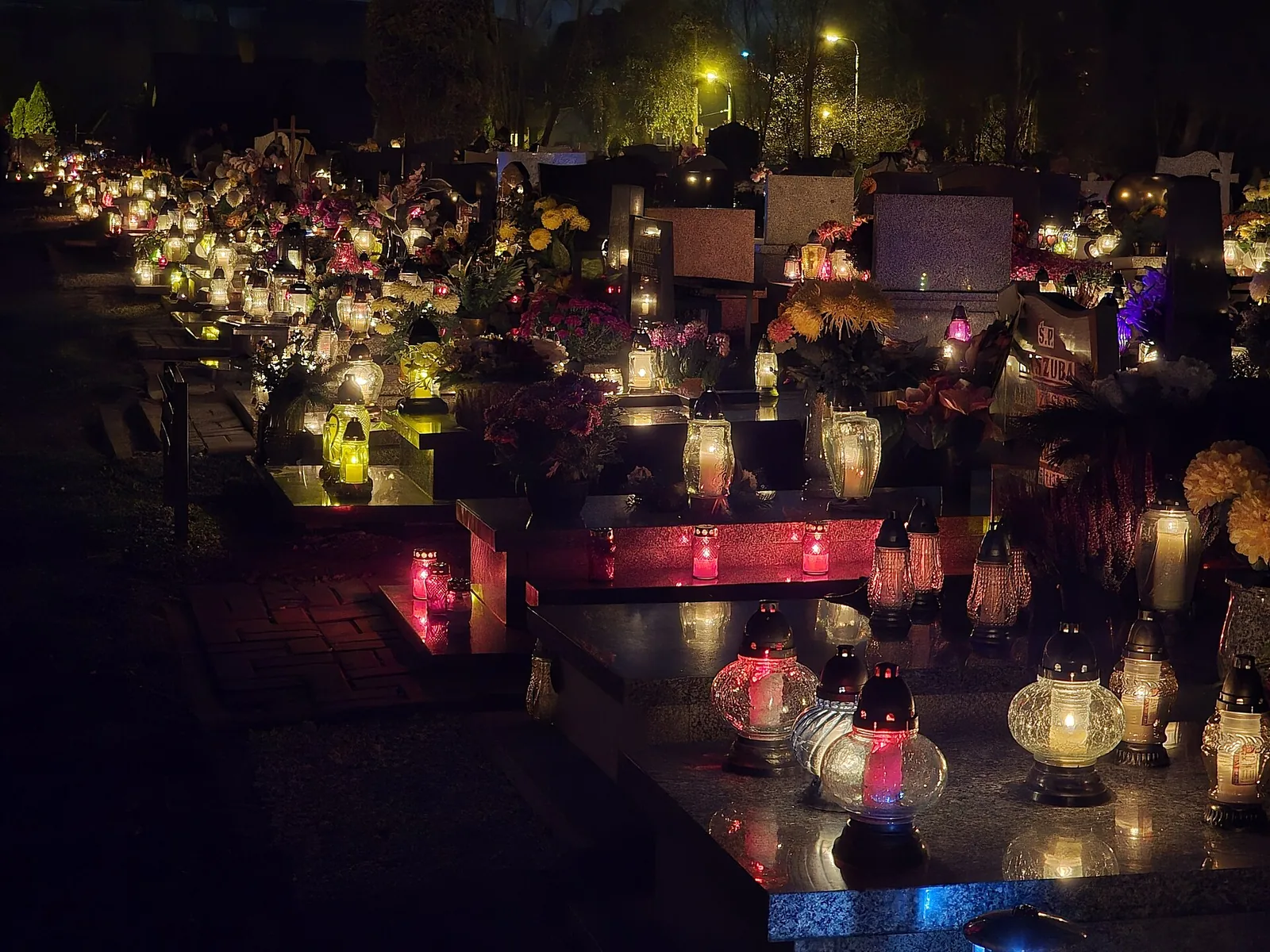
| Wszystkich Świętych (Poland) | 1 November | Candles on graves, prayers, lists of names of the dead (wypominki) |
| Festa dei Morti (Sicily, southern Italy) | 2 November | Cleaning graves; home altars with family photos and votive candles |
| Totensonntag / Ewigkeitssonntag (Germany, Switzerland, Protestant) | Sunday before the first Advent: 22 November 2026 | Remembrance of the dead and comfort for the bereaved |
| Obon (Japan) | Mid-August, depending on the region | Home altar, lanterns, a welcome fire and a "sending fire" for the ancestors |
| Qingming (China) | 4–6 April (5 April in 2026) | Tomb-sweeping, offerings of food and joss paper |
A few details are worth knowing.
France. The Institut catholique de Paris explains that 1 November honours all saints, while 2 November remembers all the dead; 1 November has been a public holiday in France since 1802. It also reports that around 25 million pots of chrysanthemums are sold before the day, a flower tied to Toussaint since the 19th century.
Poland. According to dzieje.pl, candles on graves are now the main symbol of remembrance, and families submit wypominki, lists of the dead whose names are read in prayer. Non-believers also take part, as a sign of respect for the dead.
Italy. On All Souls' Day in Sicily and southern Italy, families clean the graves, and home altars are decorated with family photos and votive candles.
Germany. The Totensonntag is a Protestant day: the last Sunday of the church year, since 2018 also officially called Ewigkeitssonntag. Catholics remember their dead on All Souls' Day instead.
Japan and China. Obon and the Qingming Festival fall in other seasons, but they share the same impulse: clean the grave or the home altar, make offerings, and speak to the ancestors. Both are good moments to revisit this guide.
Prepare the photographs first
Whatever you plan, start by choosing and protecting the pictures. The Library of Congress gives clear guidance on handling photographs:
- Handle prints with clean hands, holding them by the edges, on a clean, dry surface with no food or drink nearby.
- Never use tape, glue, paper clips or rubber bands on a print. If you must write on one, use a soft graphite pencil on the back or at the edge.
- Avoid albums with sticky or "magnetic" pages, and keep photos in a cool, dry, stable place, away from attics and basements.
- Limit light exposure. If a print is precious, display a copy and keep the original in a photo-safe box.
- If a photo is damaged in a way better storage won't fix, the same page recommends consulting a photograph conservator.
The last two points lead to a practical habit: scan or photograph the print before you display it. Lay it flat in daylight without direct glare, shoot straight on, and keep the file at the highest resolution your phone allows. You then have a copy for the altar, one for the family group chat, and the original stays safe.
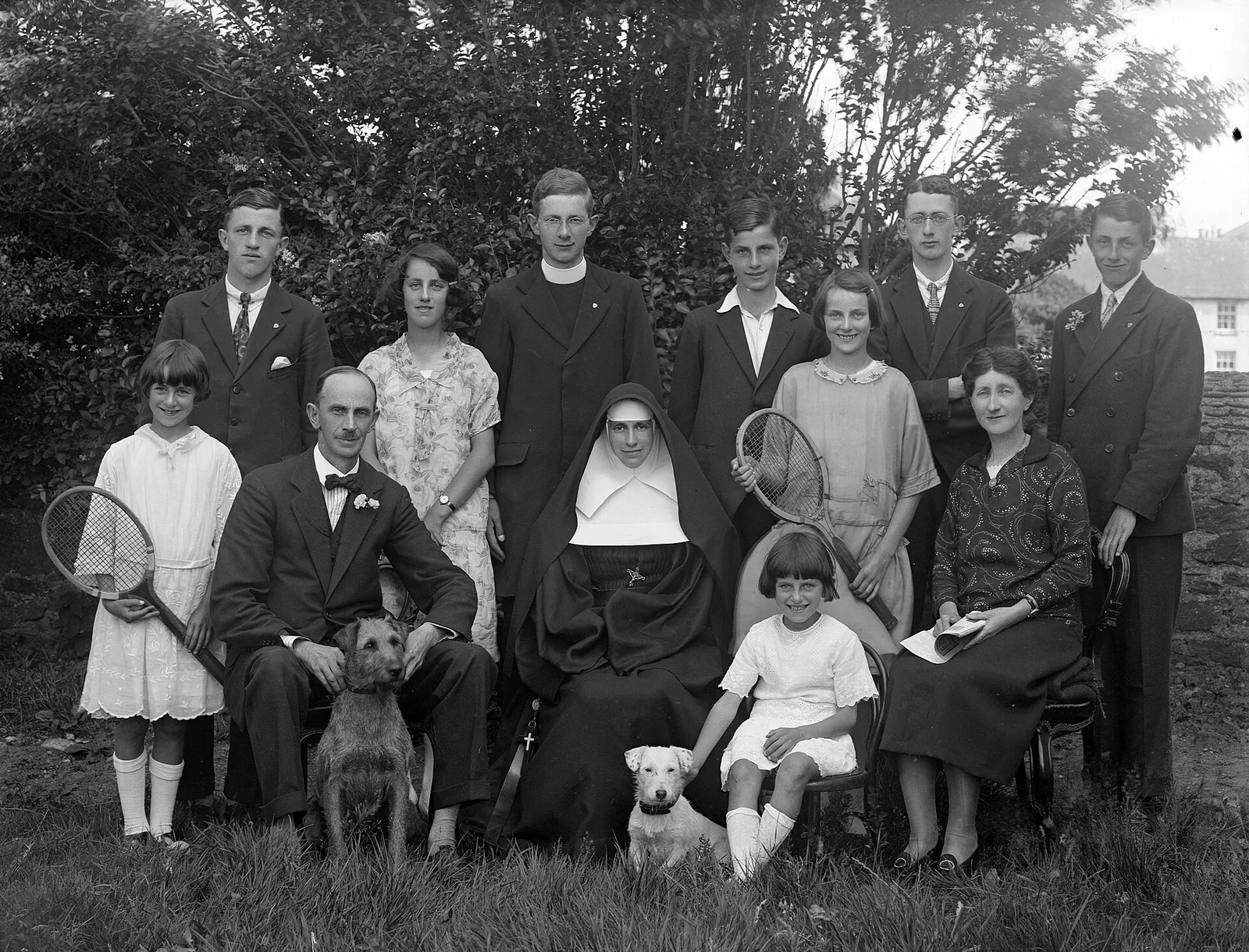
Add a few words per photo while memories are fresh: who is in it, roughly when, where, and one detail only you know (the dog's name, the song they hummed). Those notes will matter more in twenty years than the image does.
Four ways to give the photos a place this year
1. A small ofrenda at home. A shelf or a table is enough. Put the photographs at the back, flowers and candles in front, and the favourite food or drink of the person remembered. Use framed copies rather than originals, and keep open flames away from paper.
2. A candle-and-photo corner. Not everyone is comfortable with the Mexican tradition, and it is not yours to borrow lightly. A quiet corner with a photograph and a candle echoes the Polish, French and German habit of lighting a flame for the dead without needing any particular belief.
3. A visit to the grave with a few printed photos. If the cemetery is far or you cannot go on the day, many families bring a printed copy of a favourite picture and leave it with the flowers (check the cemetery's rules on what may be left, and remove anything weather-damaged).
4. A shared album or a short film. If relatives are spread across countries, a shared folder where everyone adds photos and a line of memory brings the family into the same room. A short film goes a step further, and that is where Those Times can help.
When a film makes sense
A film is not a replacement for an altar or a grave visit. It is another way of showing the same photographs, and it works especially well when the family cannot gather: played on a screen at a family meal, sent to relatives abroad, or shown after a funeral.
Those Times turns photos into a short film with music. You upload your pictures (phone shots of old prints are fine), optionally add a description or a date for each, and each photo becomes a short clip with subtle, photo-realistic motion: a blink, a smile, a tilt of the head. The clips are cut together with music, transitions and short captions, and you download a 1080p MP4. The photos are restored and upscaled automatically before animation, and a 10-photo film is usually ready in 8 to 12 minutes.
Some honest limits. The motion is deliberately small, and it animates the photos you give it: it does not add voices, invent new scenes or fix a face that is missing from the source. Heavily damaged or blurred faces and very low-resolution scans give weaker results, because faces can drift when there is too little detail. If a photo of someone matters a lot, scan it carefully first (see the section above).
On cost, according to the pricing page, you pay per film with no subscription: Mini (1 to 5 photos, up to 25 seconds) is €2.99, Standard (6 to 20 photos, 30 seconds to 1 min 40) is €5.99. The site states that the first Mini film is free and needs no card, so you can try it with a single portrait before deciding anything. Photos are stored privately and are never used to train AI models.
Whether a gently moving portrait feels comforting or unsettling is personal, and families differ. A good test is to watch it with the person closest to the one you are remembering, and to leave it out if it does not feel right.
A short plan for the week ahead
- Today: pick 5 to 10 photographs of the person; take no more than a few minutes to choose.
- This weekend: scan or photograph each one in daylight; write a line of context on each.
- Before 1 November: decide the format (ofrenda, candle corner, grave, shared album, film) and invite one relative to contribute a photo.
- On the day: light the candle, read the notes aloud, and tell one story.
- Afterwards: back up the scans in two places and label the files with the name and year.
Frequently asked questions
What is the difference between All Saints' Day and All Souls' Day?
According to the Institut catholique de Paris, 1 November honours all saints, known and unknown, while 2 November remembers all the dead without distinction. In practice, many families visit cemeteries on 1 November, especially where it is a public holiday.
Do you need to be Mexican to build an ofrenda?
No rule forbids it, but it is a living tradition with its own meaning for the communities who practise it. If it is not yours, learn what each element means first, or choose a simpler photo-and-candle corner instead.
When is Totensonntag in 2026?
It is the Sunday before the first Advent, so in 2026 it falls on 22 November. It is observed by Protestant churches in Germany and Switzerland.
Should I display the original photo or a copy?
A copy. The Library of Congress advises limiting light exposure and storing precious prints in photo-safe housing, so scan the original and display the print or file.
Can an old photo of a loved one be made into a short film?
Yes. Those Times turns photos into a short film with music and subtle natural motion. Very damaged faces and low-resolution scans give weaker results, and it does not add voices. The first Mini film (1 to 5 photos) is free.
Image credits
- A photo of a loved one is added to an ofrenda, Día de los Muertos, 2023.: The White House / Wikimedia Commons — Public domain — source
- Candles on graves in Zabrze, Poland, 1 November 2024.: MichalPL / Wikimedia Commons — CC0 1.0 — source
- A 1920s family portrait: the kind of photo worth scanning before it fades.: National Library of Ireland / Wikimedia Commons — Public domain — source
Sources
- UNESCO — Indigenous festivity dedicated to the dead (Mexico)
- ICP — Qu'est-ce que la Toussaint ? (Institut catholique de Paris)
- dzieje.pl — 1 listopada, Dzień Wszystkich Świętych
- Chapman University — Wilkinson community remembers loved ones for Day of the Dead
- Wikipedia — Totensonntag
- Wikipedia — Obon
- Wikipedia — All Souls' Day
- Wikipedia — Qingming Festival
- Library of Congress — Care, handling and storage of photographs
Turn your own photos into a film
Upload a handful of old family photos and get a short, moving film with music in minutes.
Make my film